An ergonomic office chair is no longer a luxury for individual home offices; it is a business investment that affects comfort, focus and staff retention. For companies planning a new workspace or replacing an aging seating fleet, choosing chairs that adapt to different body shapes and working habits directly supports daily productivity.
What Makes a Chair Ergonomic?
A genuinely ergonomic chair follows the natural curve of the spine and lets the user adjust the fit to their own body. When evaluating models, look for the following features:
- Adjustable lumbar support that supports the lower back and maintains the S-curve of the spine.
- Height-adjustable armrests that keep shoulders relaxed and elbows at a 90-degree angle.
- Seat depth and width that leave a fist’s width behind the knees and support the thighs without pressure.
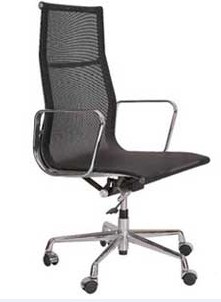
- Breathable mesh or padded upholstery that keeps the back cool during long sitting hours.
- Tilt and swivel mechanism with a reliable gas lift and smooth casters for easy movement.
- Optional headrest and footrest for high-back executive and long-hour workstations.
How Ergonomic Seating Improves Productivity
When a chair holds the body in a neutral position, muscles and joints carry less static load. This reduces the discomfort that pulls attention away from work, lowers the risk of repetitive strain, and helps employees stay focused through longer meetings and deep-work sessions. Comfortable seating also reduces the turnover caused by worn-out or unsupportive chairs.
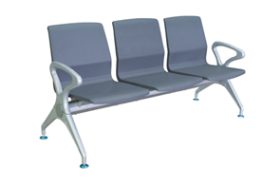
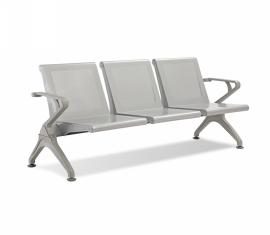
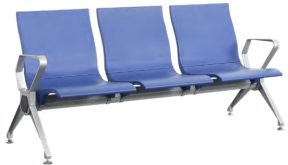
For reception and waiting areas, ergonomic comfort still matters: visitors form their first impression of a business from the seating and space they are offered. Browse our office chairs, waiting chairs and lounge chairs to match each zone of your workspace.
What B2B Buyers Should Check Before Bulk Ordering
When sourcing ergonomic chairs for a commercial project, verify the frame material, foam density, upholstery grade and whether the mechanism has passed durability testing. Confirm packaging details, carton dimensions and inspection reports, and ask whether features such as mesh color, armrest style or base finish can be customized for your market.
- Frame and base: steel, aluminum alloy or nylon base chosen for the expected daily load.
- Upholstery: breathable mesh, PU leather or fabric matched to usage and budget.
- Mechanism: swivel, gas lift and tilt options suitable for the chair’s intended role.
- Certification and testing: durability and load-test reports available on request.
Choosing the Right Chair by Space
Open workstations benefit from adjustable swivel chairs with casters; meeting and executive rooms often use high-back leather or mesh models; waiting rooms and clinics prioritize sturdy, easy-to-clean visitor seating. Matching the chair type to its zone keeps the fleet comfortable, consistent and cost-effective.
FAQ
How do I choose an ergonomic chair for a mixed workforce? Prioritize models with adjustable height, armrests and lumbar support so the same model fits a wider range of body sizes.
Can upholstery and colors be customized for a wholesale order? Many models support upholstery and finish customization; share your target market and budget with the supplier to confirm options and minimum order quantity.
What should be included in a bulk seating quotation? The quotation should cover unit price, MOQ, production lead time, packaging, carton marks, inspection reports and shipping terms.
As a factory-direct furniture supplier, we help buyers select and customize ergonomic seating for offices, clinics, reception areas and breakout spaces. Contact our team with your seating plan and quantities for a tailored proposal.